OpenAI Launches Free ChatGPT Product for Verified U.S. Clinicians
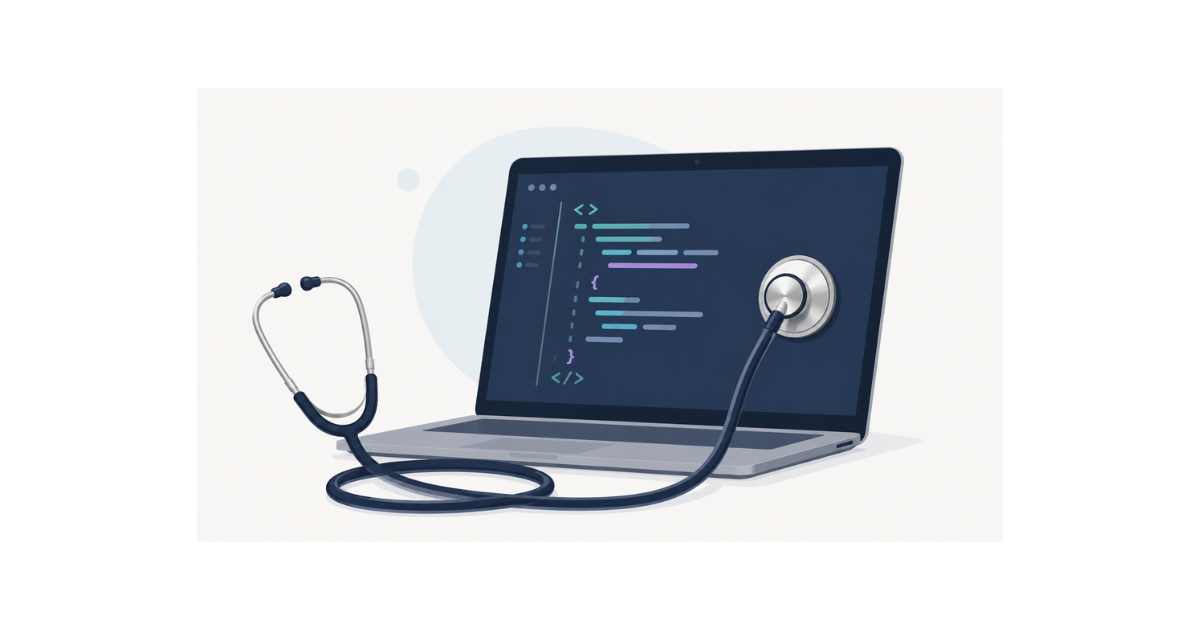
OpenAI announced this week the launch of ChatGPT for Clinicians, a free version of its AI platform available to verified physicians, nurse practitioners, physician assistants, and pharmacists in the United States.
The product is accessible through the same ChatGPT account used for existing plans and appears as a separate workspace upon verification.
Clinicians verify their credentials using their National Provider Identifier, the unique identification number assigned to U.S. healthcare providers. Psychologists and other licensed clinicians are also included in the eligible categories.
The platform is built on GPT-5.4 and includes several features specific to clinical use: real-time citations from peer-reviewed medical sources, the ability to create reusable workflow skills for recurring tasks such as prior authorization letters and patient instructions, and deep research tools for compiling literature reviews.
Continuing medical education credits are available for eligible evidence reviews conducted through the platform.
OpenAI stated that conversations within the clinician workspace are not used to train its models by default, and that multi-factor authentication is required at login. HIPAA compliance support is available to clinicians who handle protected health information and are authorized to sign a Business Associate Agreement.
Prior to launch, OpenAI said physician advisors tested 6,924 real-world clinical conversations. Clinicians rated 99.6% of responses as safe and accurate.
The company also introduced HealthBench Professional alongside the launch, an open benchmark for evaluating AI performance on clinical tasks across three categories: care consult, documentation and writing, and medical research. GPT-5.4 scored 59.0 on HealthBench Professional, which OpenAI says exceeds both other frontier models and human physicians given unbounded time and web access on the same tasks.
OpenAI positioned the product as targeting individual clinicians at institutions that have not yet deployed a centralized AI tool. Its existing ChatGPT for Healthcare product, launched in January, serves health systems deploying AI across organizations at enterprise scale.
According to a 2026 American Medical Association survey cited by OpenAI, 72% of U.S. physicians now report using AI in clinical practice, up from 48% the prior year. The company said clinician usage of ChatGPT has more than doubled over the past twelve months.
OpenAI said it plans to expand access to additional countries and clinician groups over time, beginning with a pilot program outside the United States in partnership with the Better Evidence Network.